

What are EIPs?
What an Eco-Industrial Park is, and what a territory gains when its companies decide to manage themselves together.
Eco-Industrial Parks
A commitment to inclusive and sustainable industrial development
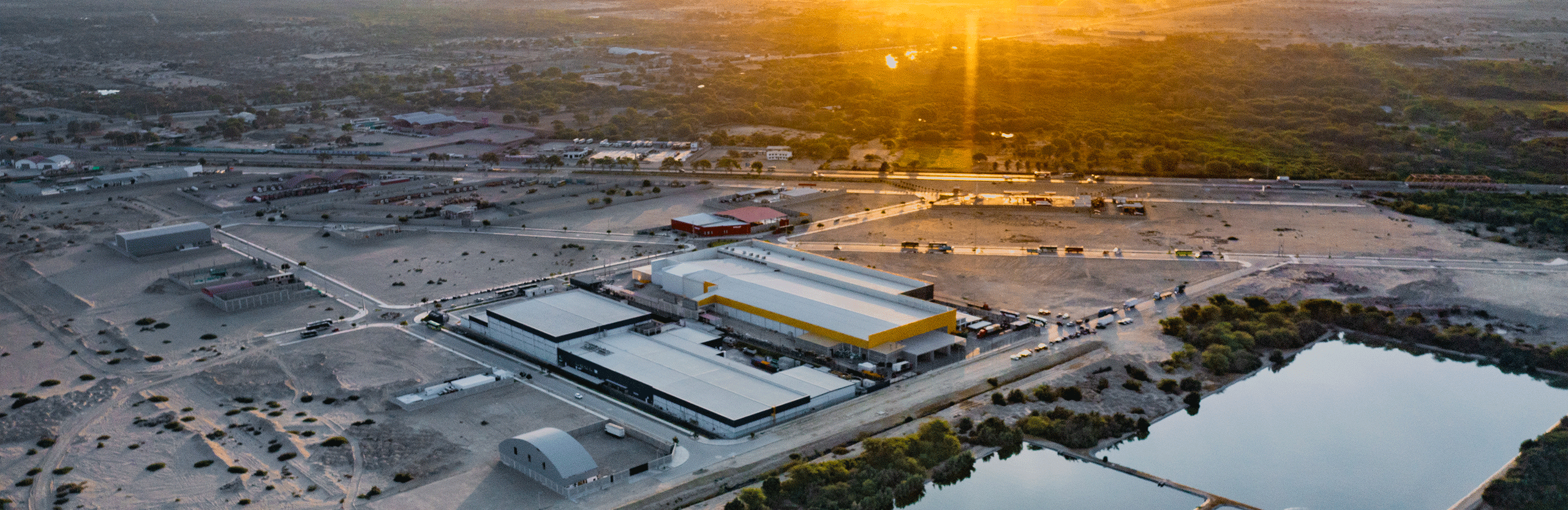
They are a group of companies from different productive sectors located within the same territory, known as a “park,” whose management is carried out collaboratively to optimize processes and the use of resources. EIPs implement policies and procedures that improve their performance and impact at the environmental, economic, and social levels.
At first, sustainable business practices were largely ignored by most companies operating in Industrial Parks; however, governments and the private sector have begun to support a more modern and sustainable investment regime for industrial zones.
For this reason, the concept of the Eco-Industrial Park is increasingly recognized as an effective tool to address challenges related to inclusive and sustainable industrial development within the scope of the Sustainable Development Goals (SDGs).

An Eco-Industrial Park is a community of manufacturing and service companies co-located on a shared site, seeking to improve their environmental, economic, and social performance by collaborating in the management of resources.

What is gained
Benefits of EIPs
UNIDO’s international experience shows that Eco-Industrial Parks are useful vehicles for sustainable economic development in developing countries and transition economies. The economic, environmental, and social benefits vary widely and go beyond those of a conventional business case: resident companies improve their performance through their own processes and seek collective action to turn environmental challenges into business solutions, through efficient resource use, cooperation, and shared infrastructure.
EIPs are competitive and offer decent work opportunities, help reduce environmental impacts, build a stronger reputation among key stakeholders, and improve access to finance and technical support.
Benefits
Economic
 Creation of direct and indirect employment
 Reduced operating costs and improved productivity
 Greater foreign investment
 Savings in waste disposal costs
 Increased competitiveness
 Reduced consumption of resources and energy
 Reduced business risks, by recognizing that environmental and social risks are also economic risks
Benefits
Environmental
 Reduction in pollution levels
 Preservation and protection of biodiversity and nature
 Improved security of supply, resource management, and resource efficiency
 Better management of chemicals and hazardous substances
 Waste reduction, reuse, and recycling
 More efficient use of resources: raw materials, water, and energy
 Climate change mitigation
Benefits
Social
 Creation of local jobs
 Well-being of the local community
 Skills development and technology transfer
 Construction of community service centres
 Better working conditions
 Crime prevention and improved safety
 Promotion of gender equality through employment and infrastructure for women
 Addressing issues relevant to the local community and ensuring a long-term licence to operate
 Creation of social infrastructure